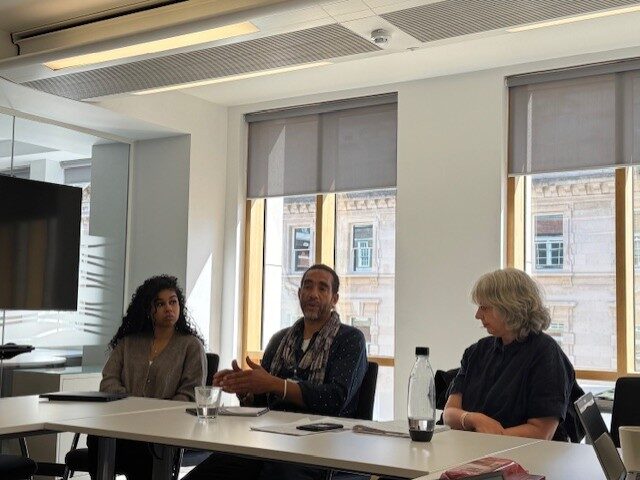
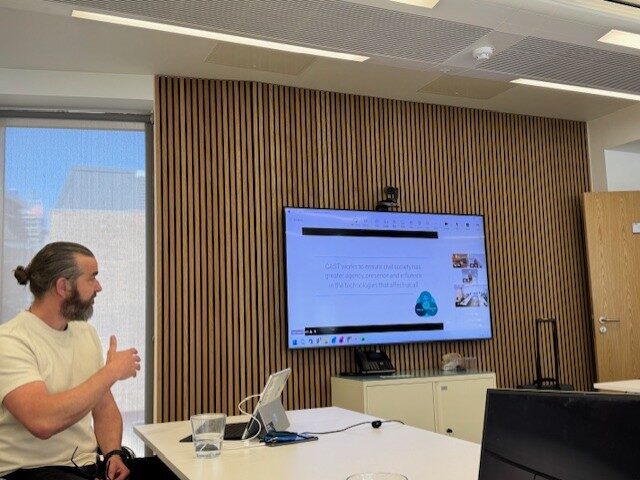
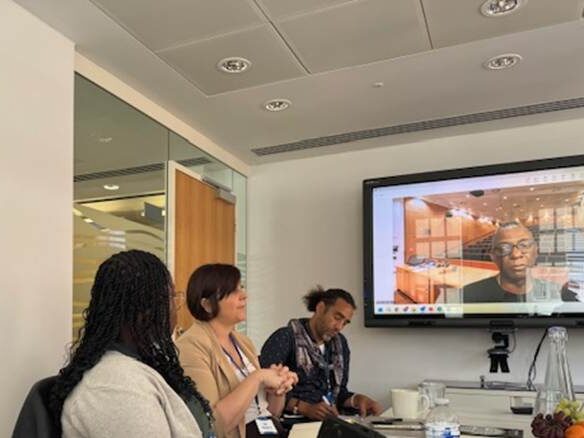
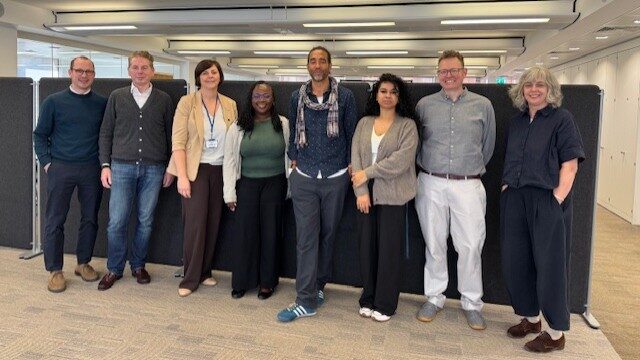
This week, partners from the first round of Transition Commission funding came together to share progress and early learnings from their programmes. While still in the early stages, the discussion highlighted the importance of targeted, local support in helping young people at risk of disengaging from education, training or employment.
Why this work matters
At the start of our meeting Laura-Jane Rawlings, Chair of our Transition Commission and CEO at Youth Employment UK, gave an update on the state of the nation for young people. Office for National Statistics (ONS) data released this week shared that unemployment is falling, but perhaps the headline should have been that economic inactivity is on the rise. This is critical for young people in particular as they move further away from the labour market. Alongside this policy in the UK has continued to move at pace, with a strong focus on improving transitions into education, employment and training. The direction appears to be towards a more joined up, place-based system with emphasis on reducing NEET, strengthening inclusion (particularly for SEND learners) and aligning provision with future needs.
However, the scale and speed of reform is putting pressure on those working in the sector; and creating a risk of uneven local delivery and gaps for those with more complex needs. It’s clear that AI is becoming a core workforce capacity, there is recognition that early intervention and prevention is important and a growing consensus on broken transitions – all this to say, the work of our Transition Commission and those we are able to support is more important than ever today.
Funding practical models that support re-engagement and progression
Launched just over a year ago, in March 2025, the Transition Commission is a £500,000 initiative focused on addressing youth disengagement during the critical period after compulsory education. Research shows that these transitions are pivotal: without the right support, young people are more likely to disengage, experience reduced wellbeing and face poorer long-term employment outcomes. However with targeted intervention, confidence, participation and long-term prospects can improve significantly.
The Commission funds organisations working with young people aged 14-25 who face multiple barriers, including socio-economic disadvantage, low confidence, mental health challenges and limited exposure to career pathways. Its aim is to test practical models that support re-engagement and progression into further education, skills and employment.
Construction Youth Trust: Building Opportunities
Construction Youth Trust’s Building Opportunities programme is engaging young people aged 14-16 who are less likely to thrive in traditional academic settings. Working across four schools, the programme aims to reach around 65 participants, all of whom experience at least one indicator of disadvantage.
Currently in its “Inspiration” phase, the programme is delivering employer-led sessions introducing careers in construction and the built environment. Early feedback suggests these sessions are already increasing awareness of roles and helping young people understand how to access them.
A key strength is the programme’s use of the youth voice. Through a forum with Year 10 students, participants highlighted a strong interest in understanding entry routes, pay and day-to-day responsibilities, alongside a clear preference for hands-on learning. These insights are already shaping delivery to ensure it is practical, relevant and engaging.
The core five-day programme and work experience placements will take place later this year, with early engagement indicating a strong potential for impact.
Hackney Quest: New Futures
Hackney Quest’s New Futures programme supports young people aged 16-30 facing complex challenges, including housing instability, mental health issues and disrupted education. It takes a long-term approach, recognising that stability and wellbeing are essential foundations for progression.
Since July 2024, the programme has supported 98 young people, many with significant and overlapping needs. Support is holistic, combining counselling, housing and benefits advice, crisis support and pathways into education or employment.
Our funding has enabled the organisation to expand its therapeutic offer and strengthen local partnerships. Early progress is reflected in sustained engagement, improved wellbeing and a growing sense of direction among participants. Rather than focusing solely on immediate employment outcomes, the programme prioritises building the foundations that enable long-term change.
Hackney Quest is also contributing to wider system improvement, working with local partners to address gaps in support for young people who often fall between services.
Voyage: College-Based Transition Programme
Voyage is developing a transition programme within a local college for young people who feel disconnected from mainstream education. Combining mentoring with pathways into entry-level qualifications and sector-specific training, the programme aims to support sustained engagement and progression.
In its early stages, the focus has been on creating the right environment. A dedicated space within the college, with a separate entrance, has been established to provide a clear break from previous educational experiences.
The project is in its early implementation phase. Qualification pathways are being refined, with a focus on accessible entry points and industry-recognised credentials. There is also a strong emphasis on retention, with plans to maintain engagement beyond the programme through ongoing support and digital tools.
Shared learning and looking ahead
Across all three programmes, several common themes are emerging. Effective support goes beyond skills training, combining practical learning with emotional and pastoral support. Trusted relationships are central, with mentoring and one-to-one engagement playing a key role in rebuilding confidence.
Physical spaces also matter. Whether in schools, community settings or colleges, creating environments that feel safe and distinct from traditional systems is critical for engagement. In addition, all programmes are actively incorporating young people’s perspectives, ensuring delivery is shaped by their needs and preferences.
Early outcomes are encouraging, particularly in terms of re-engagement and confidence. However, partners emphasised that lasting change takes time. Progress is gradual, with early shifts in behaviour and mindset laying the groundwork for longer-term outcomes.
As the Transition Commission looks ahead to a second round of funding later this year, several priorities are emerging. Continued investment in trusted, place-based organisations will be essential, alongside exploring how technology might help address fragmentation across systems such as housing, mental health and careers support. Importantly, future funding will need to reflect the reality that impact in this space will not come from a ‘quick fix’ and requires sustained, long-term commitment.